
Products / Obreak®
Obreak® electro-oxidation
Onsite PFAS destruction with electro-oxidation
Obreak® electro-oxidation (EO) system by E2METRIX, an Ovivo company, incorporates over a decade of expertise in developing, designing, fabricating, and delivering commercial EO solutions for diverse applications and contaminants.
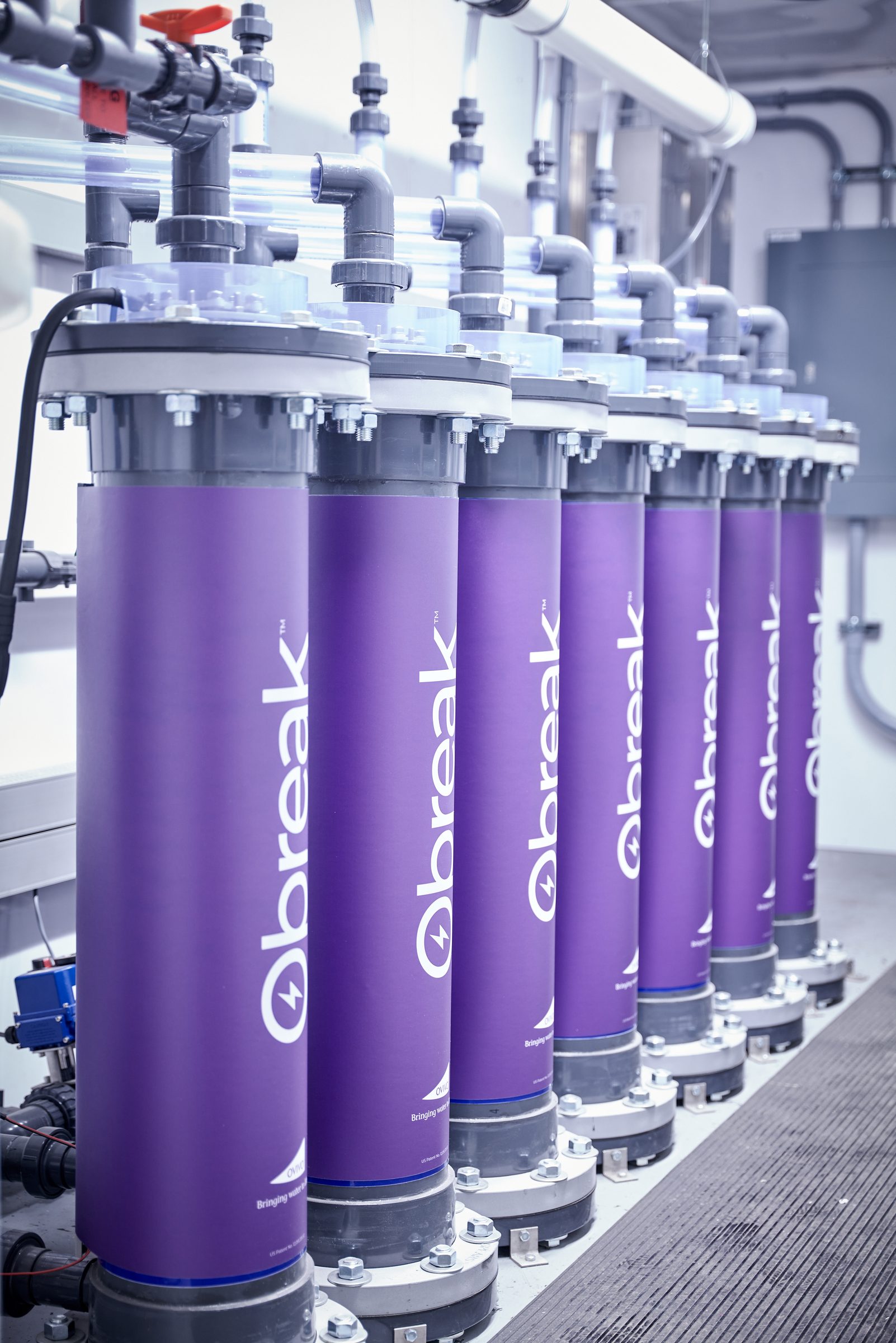
The features of our commercial EO reactors—industrial-grade robust design, optimized hydraulics based on CFD modeling, ease of maintenance, automation, energy efficiency, and remote operation across multiple platforms—have been integrated into Obreak® electro-oxidation (EO) system for onsite PFAS destruction.
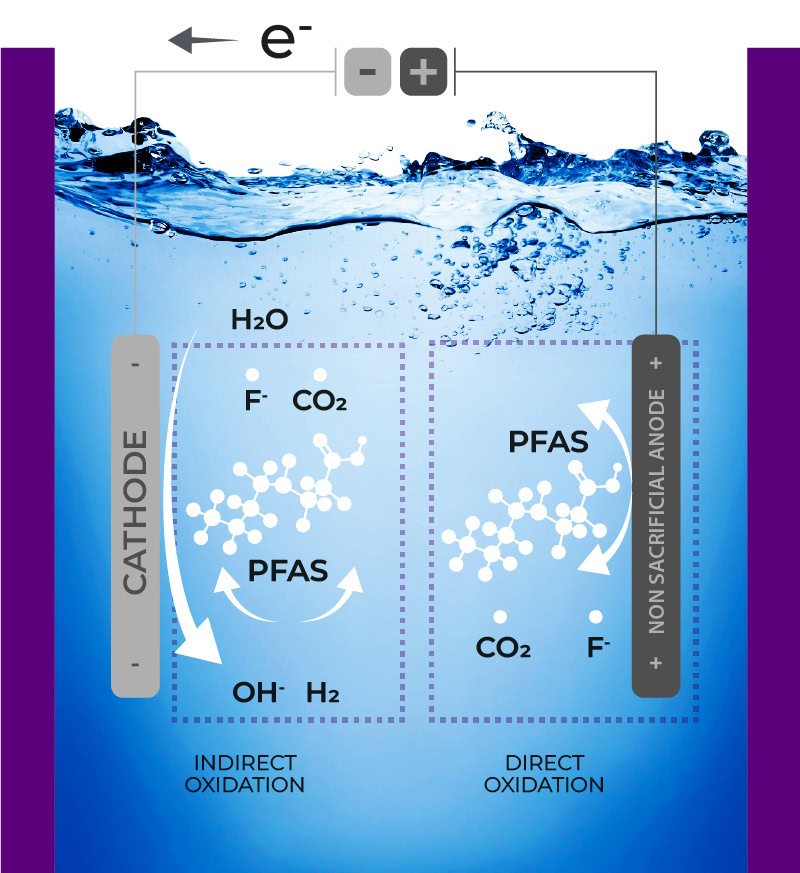
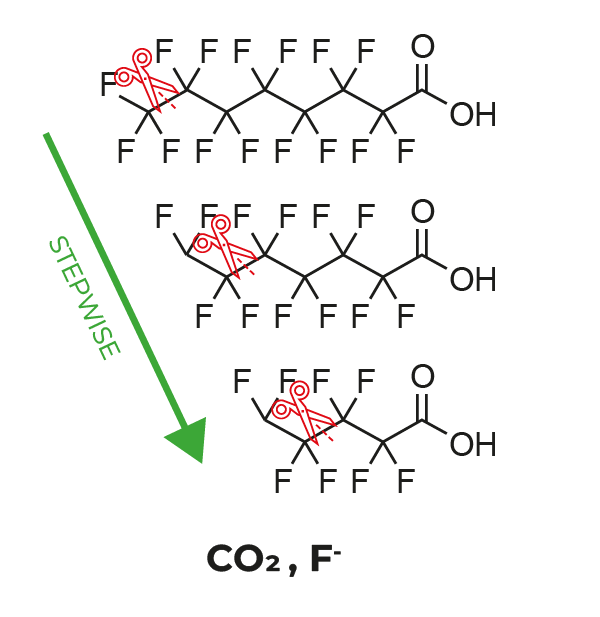
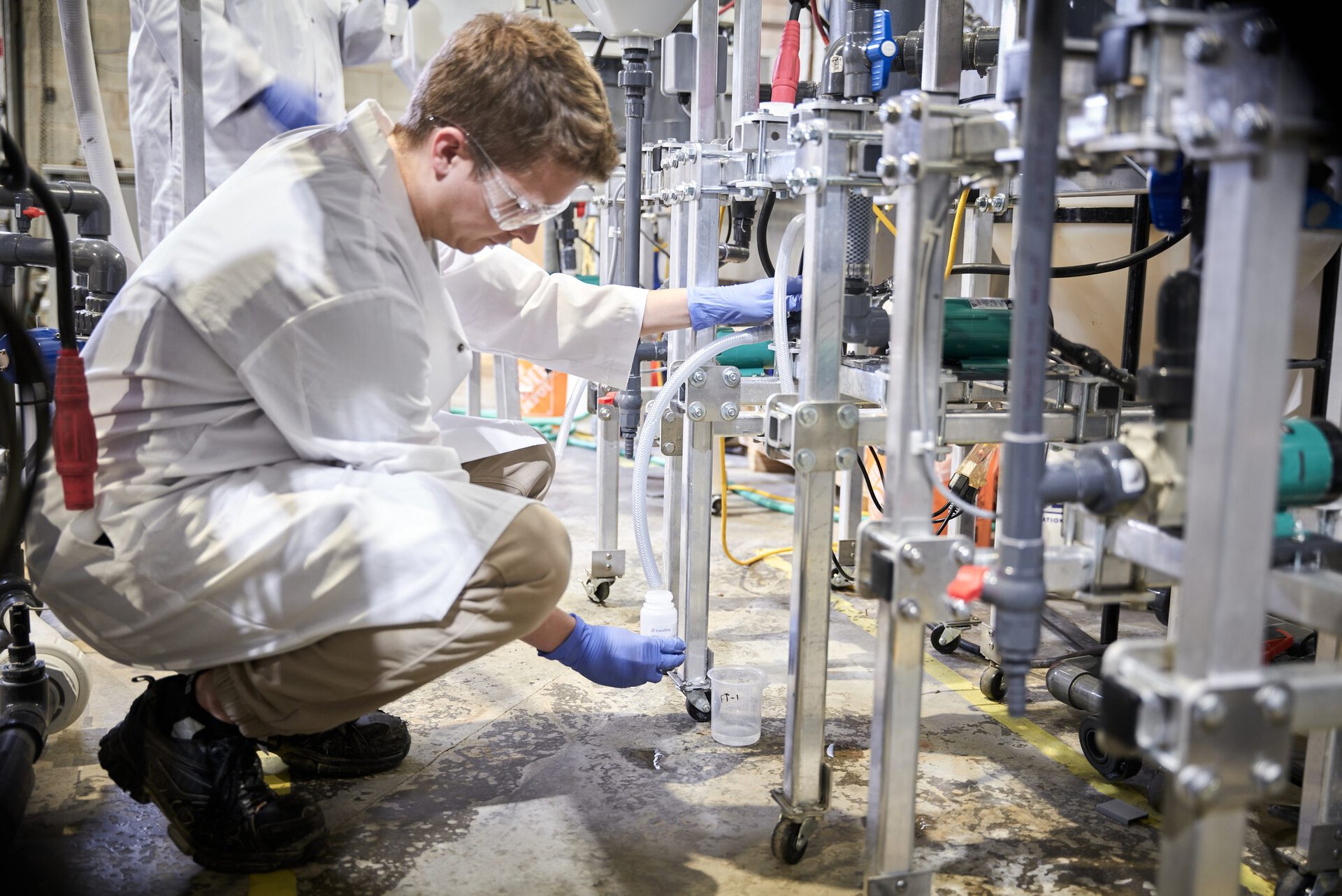
In the EO process, a continuous electrical current is passed through non-sacrificial electrodes submerged in process water within an Obreak electro-oxidation reactor. This EO process involves direct oxidation via electron transfer at the anode surface and indirect oxidation via the generation of oxidants within the water, leading to the stepwise breakdown of the carbon-fluorine (C-F) bonds, which PFAS are characterized by, into their mineral forms of carbon dioxide (CO₂) and fluoride ions (F-). Both destruction products are harmless at low concentrations. When Obreak electro-oxidation is combined with concentration and polishing steps into an integrated treatment approach, it can significantly reduce liabilities and long-term disposal costs compared to current adsorption-only methods. Furthermore, The Obreak electro-oxidation can be conveniently and safely operated at the site where the PFAS-contaminated liquid is located, thereby eliminating transportation and liability concerns
Stepwise
degradation
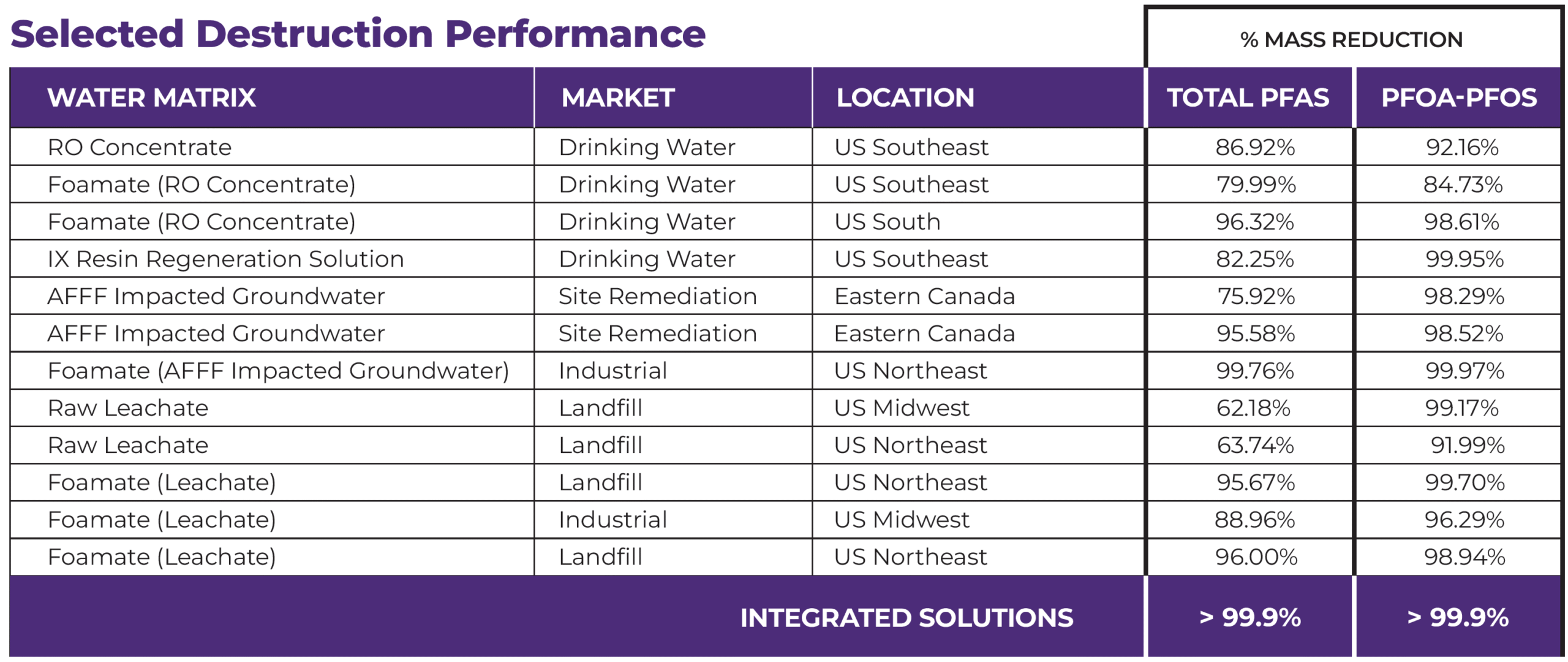
Obreak electro-oxidation can achieve high-destruction efficiencies in a wide variety of water treatment applications.
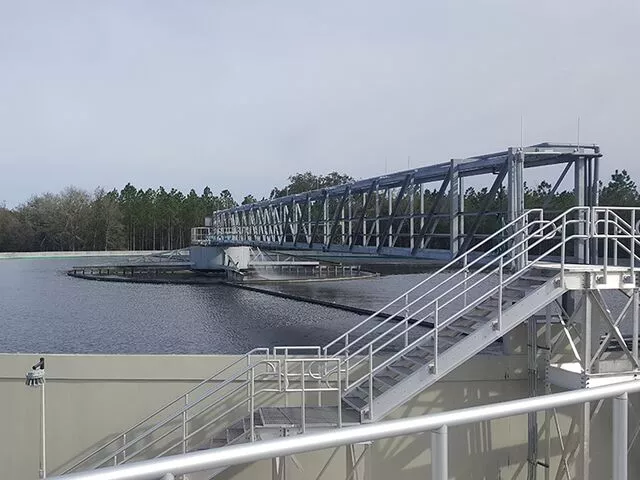
Drinking water
plant
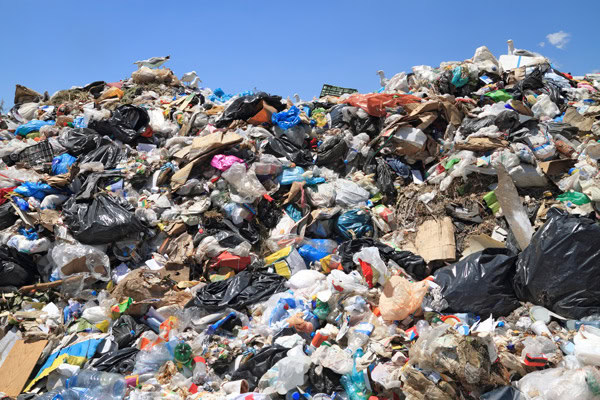
Landfill leachate
treatment
(onsite or offsite)
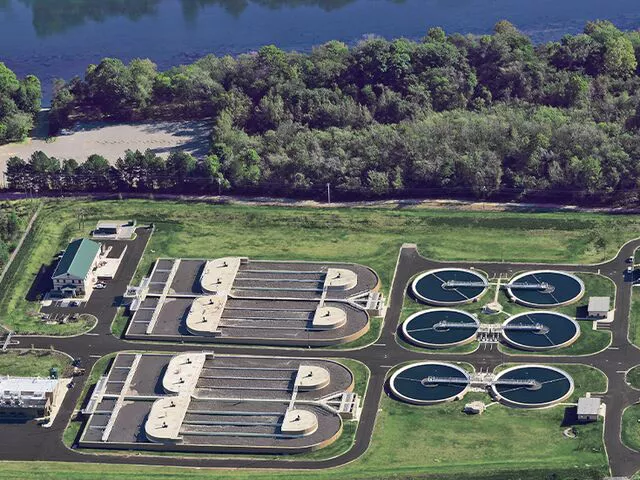
Municipal wastewater
plant
Groundwater
remediation
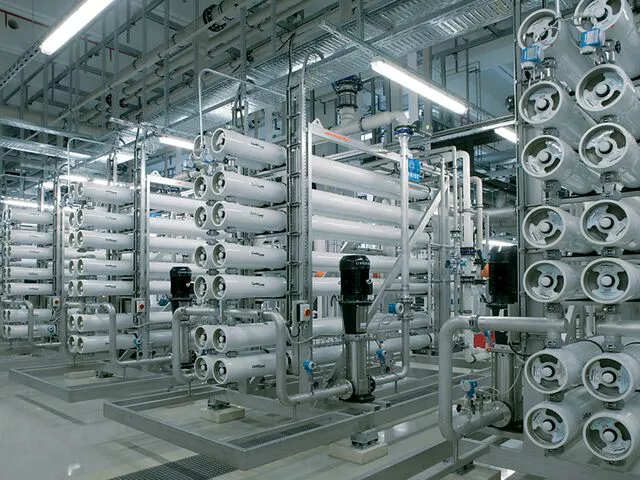
Water reuse
plant
Industrial wastewater
(ex. Surface finishing, semiconductors,
PFAS manufacturing)
Obreak electro-oxidation for onsite PFAS destruction can be configured (e.g. anode selection) and adapted to meet your technical, regulatory, and financial needs. More importantly, Obreak electro-oxidation is one tool in the E2METRIX toolbox of concentration, destruction, and polishing unit operations. Ovivo can provide a single processing step or the complete, overall, integrated PFAS treatment train — your best bet for a cost-effective solution.
The E2METRIX toolbox
Concentrate, destroy, polish
01
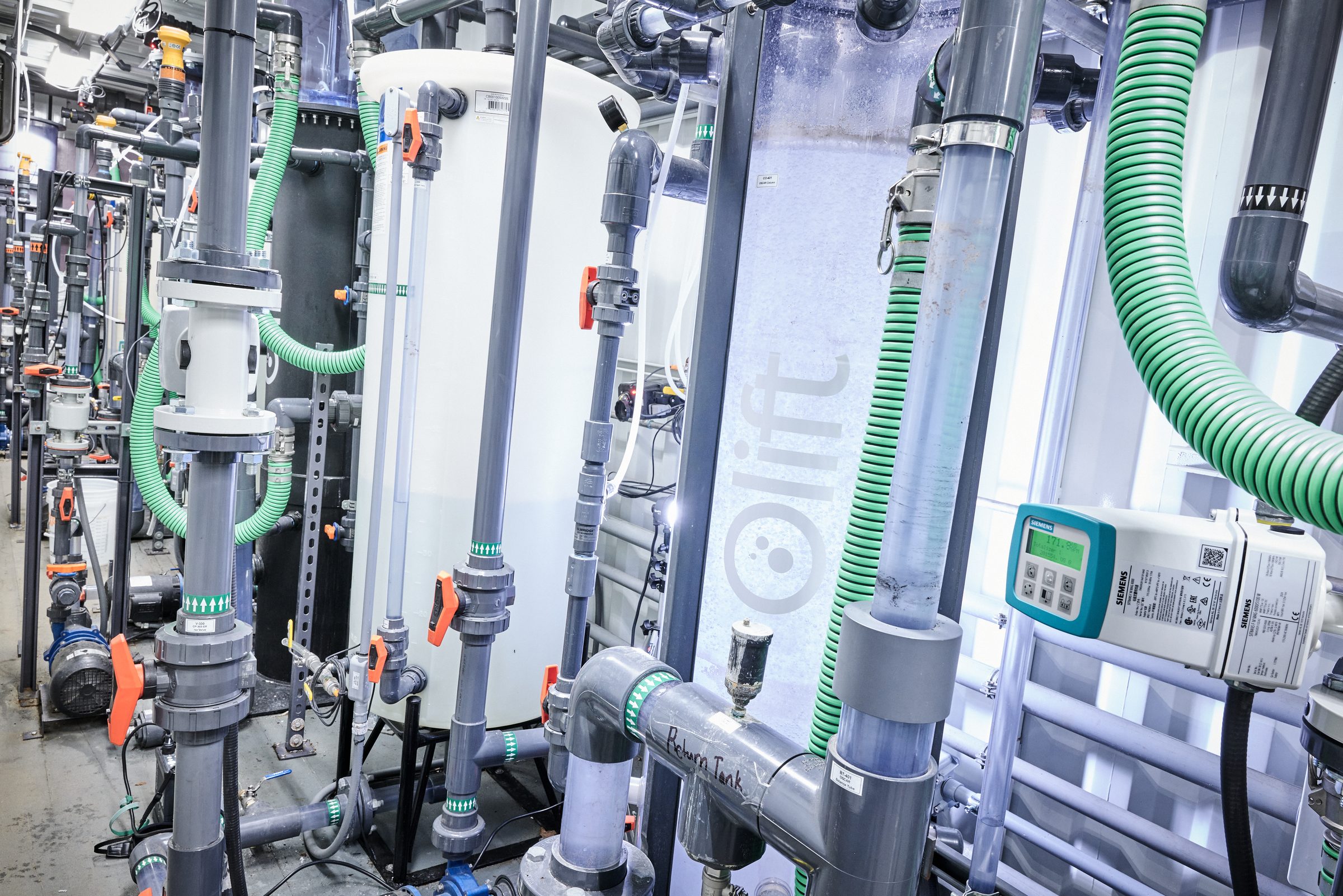
Concentrate upstream
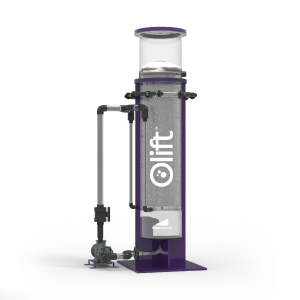
Olift® foam fractionation concentrates the PFAS in the feed by 100x to 10,000x, so the destruction step sees a small, strong stream and needs far less capital and energy.
02
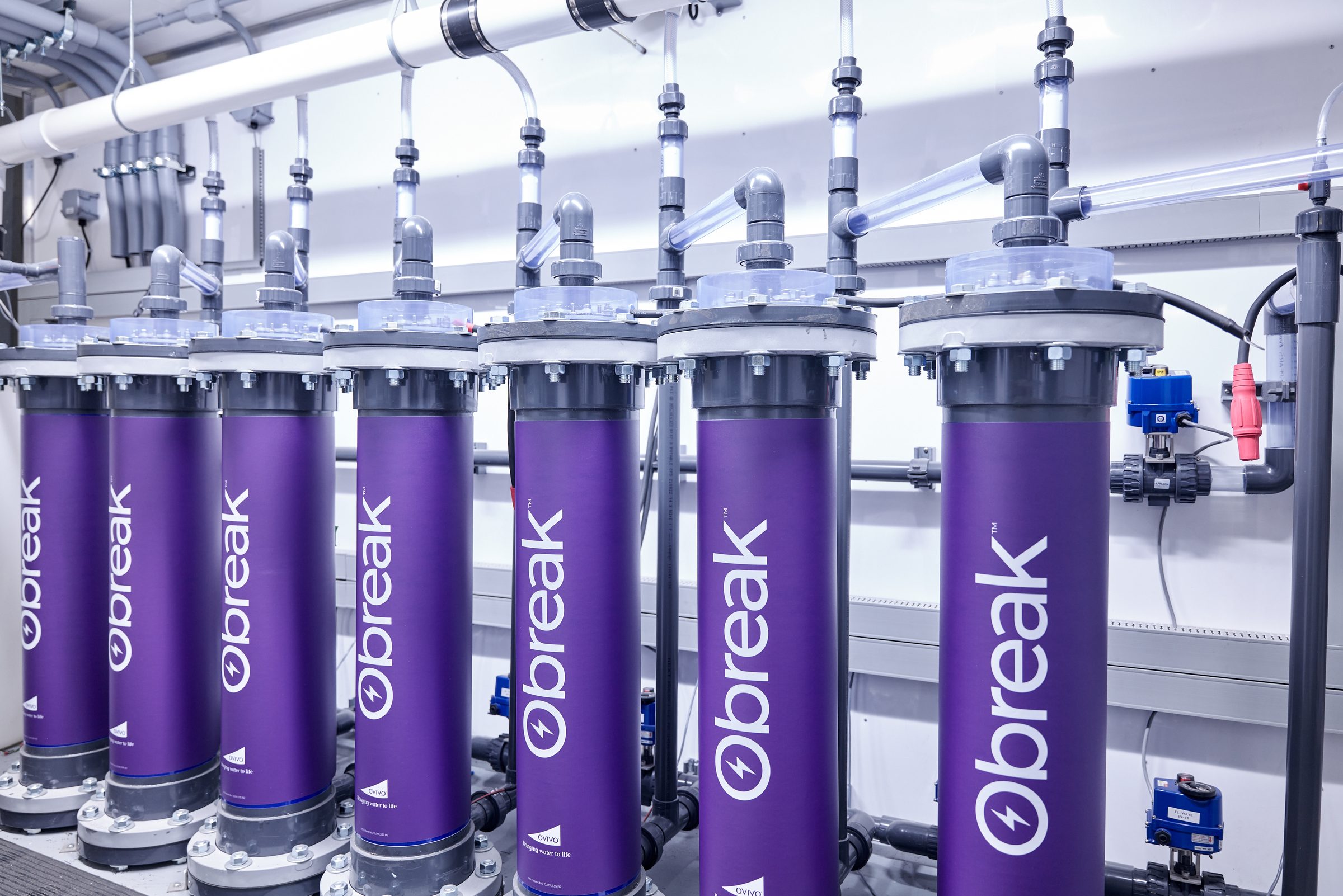
Destroy with Obreak®
Direct and indirect oxidation reactions in the EO reactors break the concentrated PFAS down onsite. Full destruction is feasible, but a sensible target is 90% to 99%.
03
Polish downstream
A media filter polishing step finishes the job, completing the treatment at a cost stakeholders can accept.
Obreak electro-oxidation has been shown to be highly effective in destroying PFAS
on concentrated streams, such as:
- Foamate from foam fractionation
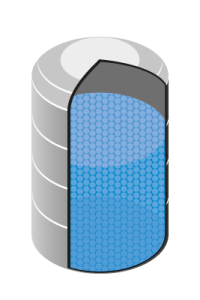
- Concentrate from ion-exchange resin regeneration
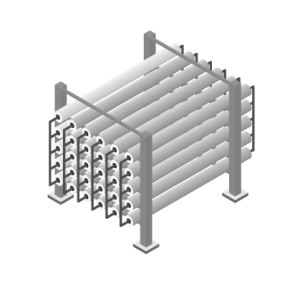
- Concentrate from reverse osmosis (RO)
The E2METRIX Obreak Electro-Oxidation system
is available NOW!
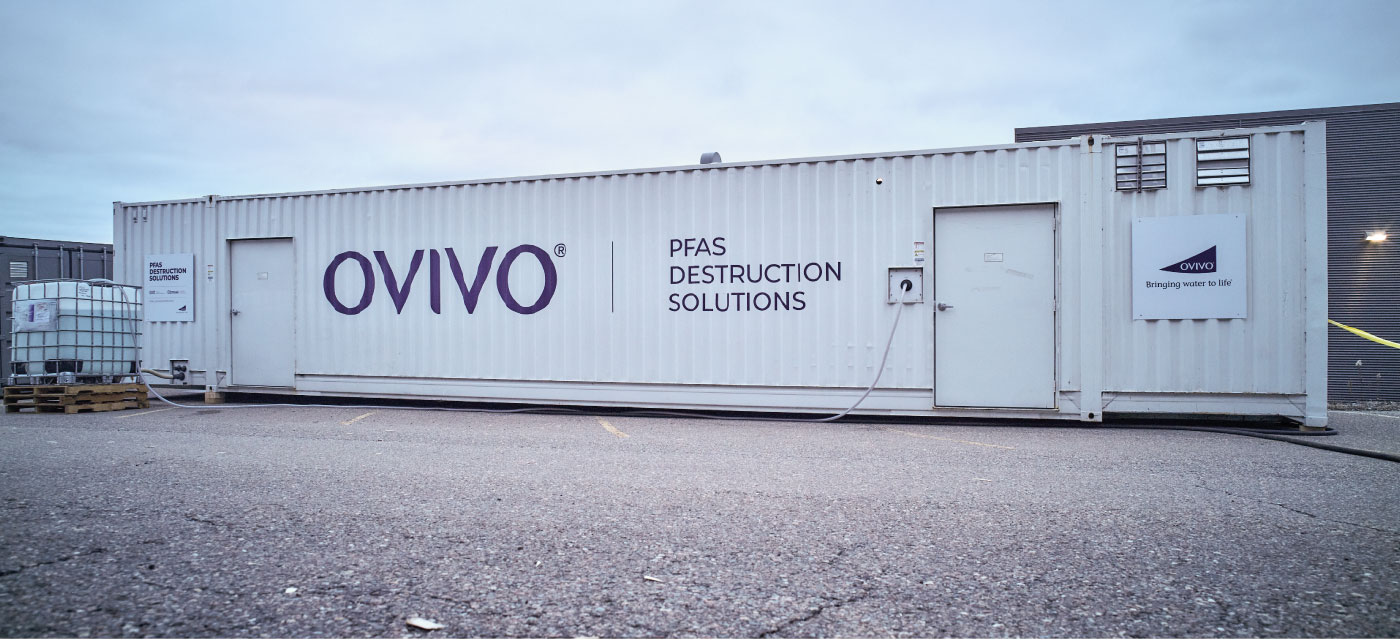
The Obreak® electro-oxidation (EO) system can be delivered in a container or trailer or be a fixed installation inside a building.
Wastewater treatment plant · Newark, New Jersey
Passaic Valley Sewerage Commission
93%
of total PFAS removed from landfill leachate, with Obreak® destroying 94% to 96% of what was concentrated
Integrated removal, concentration and destruction · 500,000 gpd proposed capacity