
Industries / Industrial
Industrial and manufacturing
Manufacturing, surface finishing, and process water each bring their own PFAS profile — and their own pretreatment obligations.
3+
INDUSTRIAL SECTORS SERVED
>99.5%
REGULATED PFAS REMOVED BY OLIFT®
UP TO 75%
LESS MEDIA THAN TRADITIONAL METHODS
THE CHALLENGE
The challenge for industrial dischargers
01
Pretreatment standards apply before you discharge
Facilities that send wastewater to a POTW operate under industrial pretreatment permits — PFAS discharge limits are increasingly part of that picture.
02
Every process stream is different
Surface finishing, semiconductor manufacturing, and food & beverage production each generate PFAS-contaminated water with different volumes and compositions.
03
Captured media becomes hazardous waste
GAC and ion exchange resin capture PFAS but don’t destroy it — spent media has to be hauled, tracked, and disposed of as a PFAS-laden waste stream.
04
Downtime isn’t an option
Treatment has to integrate into an active production line without disrupting the process it’s meant to protect.
THE RECOMMENDED SOLUTION
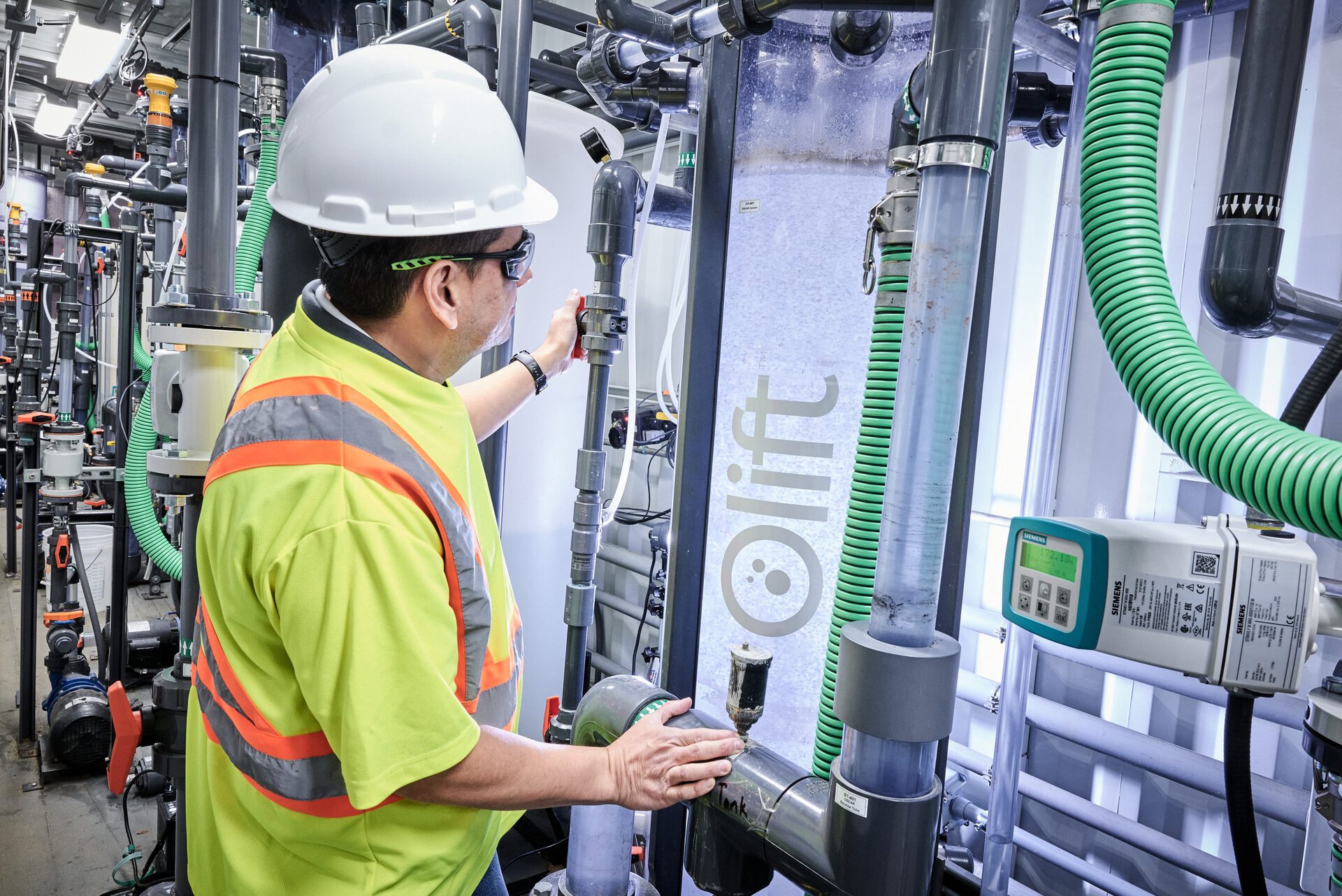
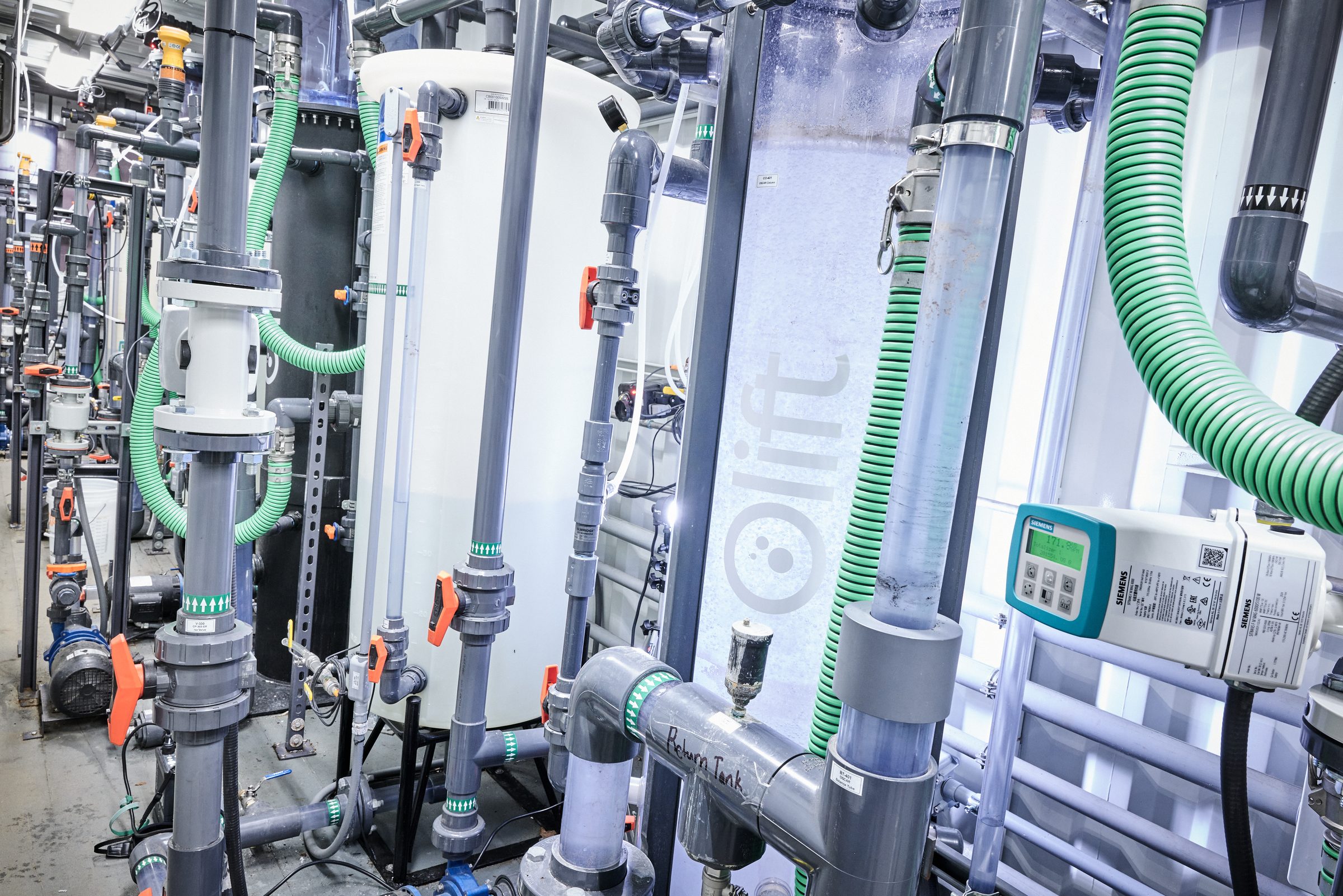
Concentrate onsite, destroy onsite, discharge clean
WHY THIS APPROACH
Built to fit inside an active production line
Minimal footprint, minimal disruption
Deploys in a container or fixed installation alongside existing process equipment — no line shutdown required.
Handles variable streams
Configurable to the specific PFAS profile of your process water, whether that’s surface finishing rinse water or wash-down wastewater.
No hazardous waste stream to track
Destroys PFAS onsite instead of generating spent media that has to be manifested and hauled as hazardous waste.
Supports pretreatment compliance
Gives facilities a documented, defensible answer for pretreatment program reporting.
REGULATORY CONTEXT
Industrial users discharging to a POTW operate under EPA’s National Pretreatment Program — and PFAS-specific limits are an increasing focus as EPA develops sector-specific effluent guidelines.
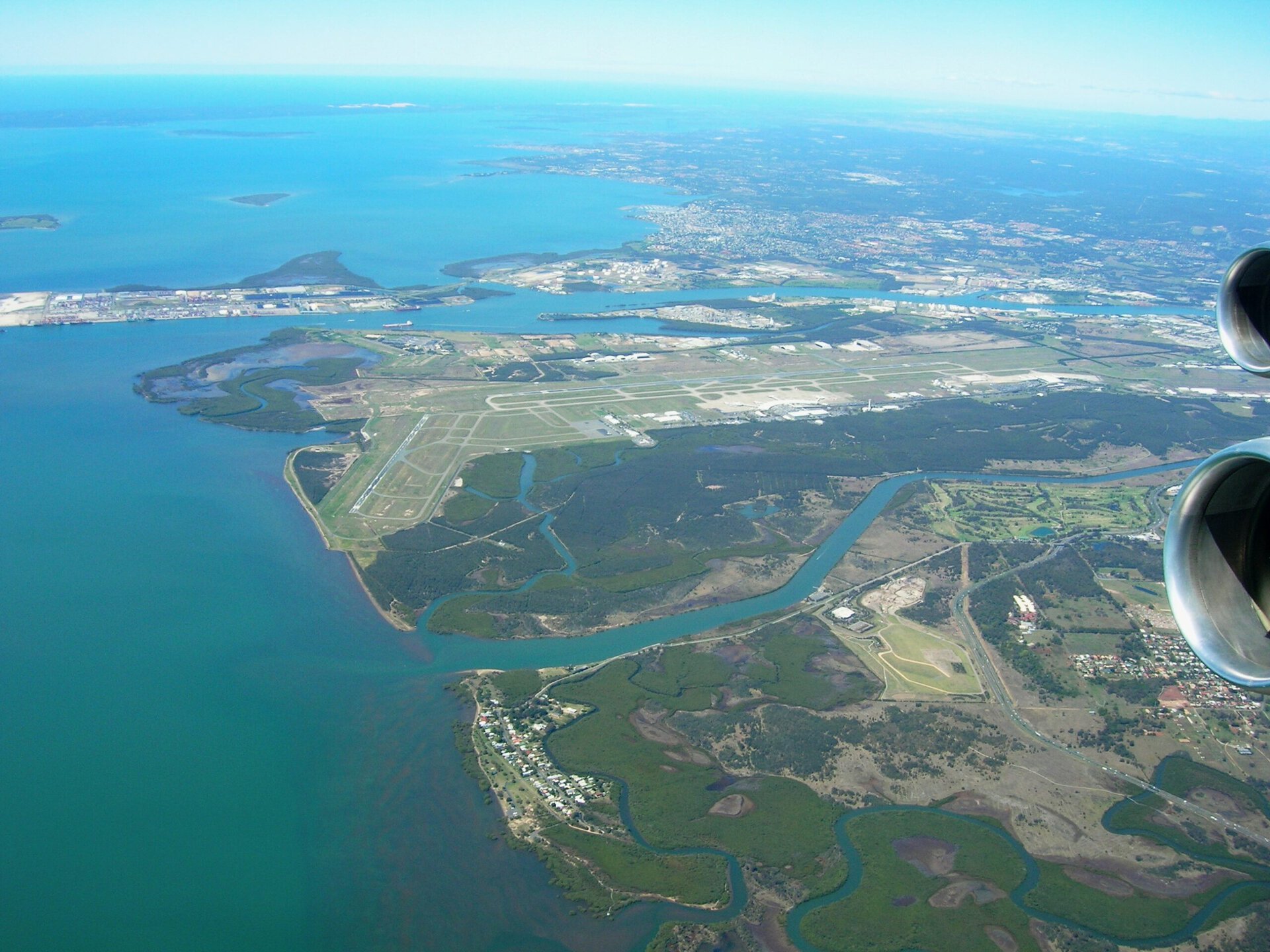
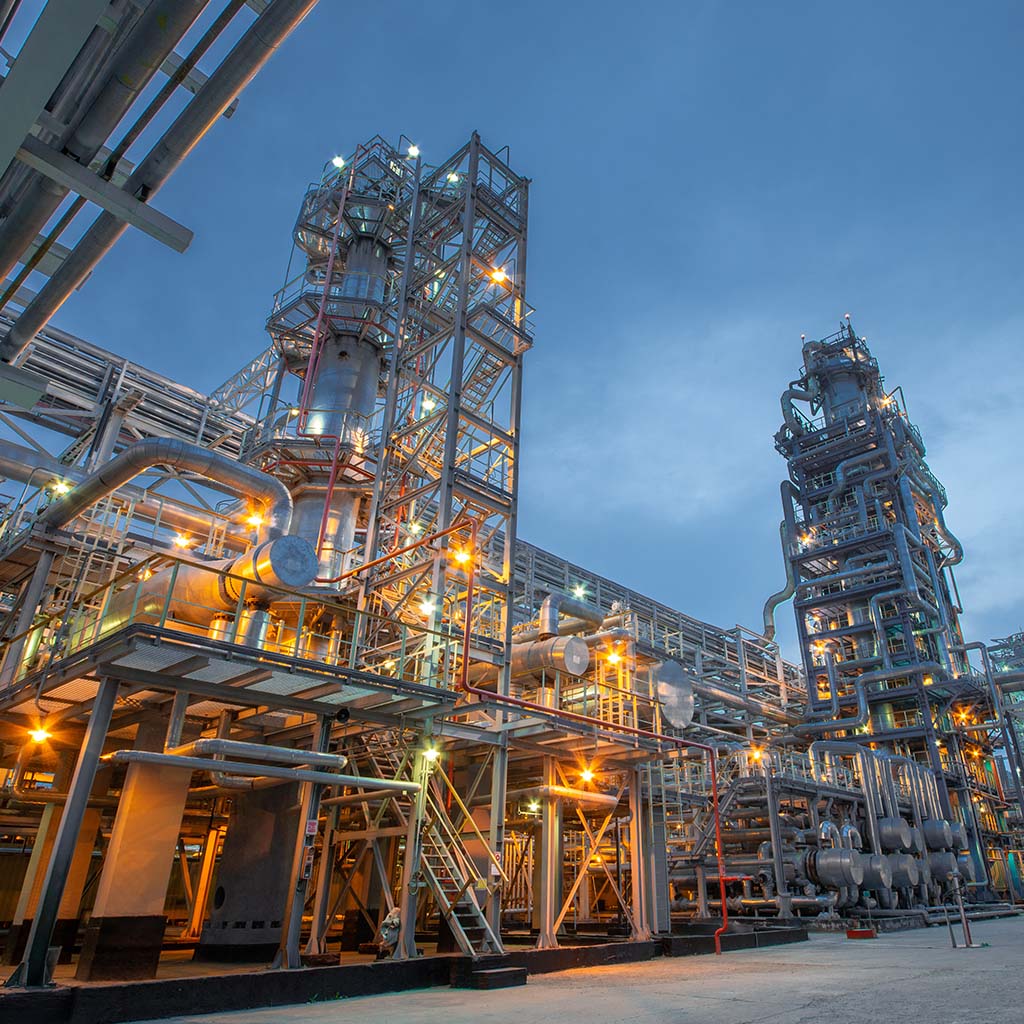
Photo: J Brew, CC BY-SA 2.0, via Wikimedia Commons
PROVEN PERFORMANCE
Proven on industrial sewage
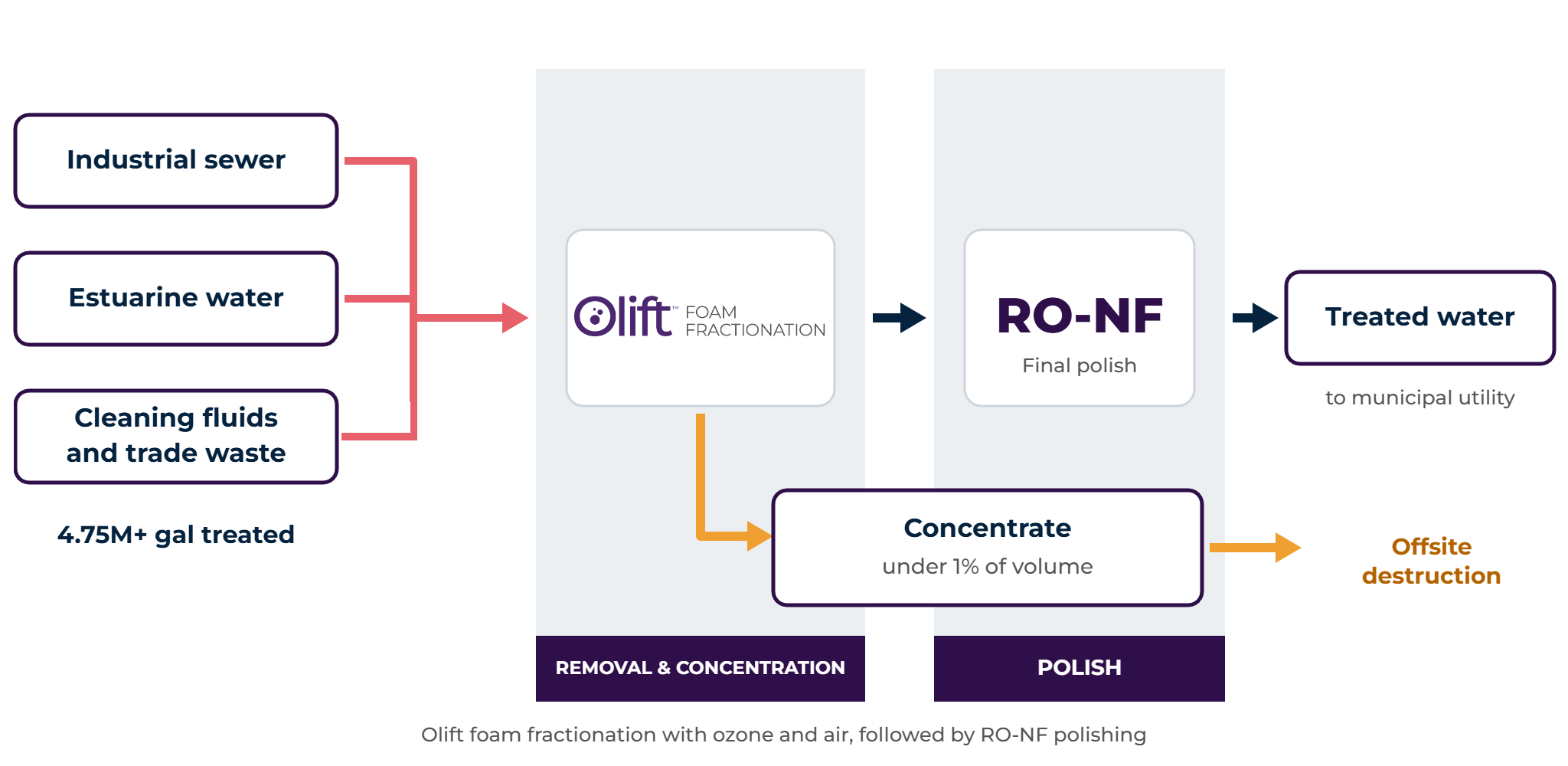
At a major international airport in Brisbane, Australia, a mobile Olift® foam fractionation plant treated more than 4.75 million gallons of PFAS-contaminated industrial sewer and estuarine water after an AFFF system malfunction. The same approach applies directly to manufacturing and process water.
>99.5%
REGULATED PFAS REMOVED BY OLIFT®
4.75M+ GAL
INDUSTRIAL SEWER TREATED
>99.9%
TOTAL PFAS WITH RO-NF POLISH
FAQ
Industrial PFAS treatment questions
Why do industrial facilities need PFAS treatment?
Facilities that send wastewater to a POTW operate under industrial pretreatment permits, and PFAS discharge limits are increasingly part of that picture. EPA is also developing sector-specific effluent guidelines.
What is the problem with GAC and ion exchange?
GAC and ion exchange resin capture PFAS but do not destroy it. The spent media has to be hauled, tracked, and disposed of as a PFAS-laden waste stream.
Can treatment run without shutting down the production line?
Yes. The system deploys in a container or fixed installation alongside existing process equipment, so no line shutdown is required. It can be configured to the specific PFAS profile of your process water.
Has it been proven on industrial water?
At a major international airport in Brisbane, Australia, a mobile Olift® foam fractionation plant treated more than 4.75 million gallons of PFAS-contaminated industrial sewer and estuarine water after an AFFF system malfunction. Olift® foam fractionation removed more than 99.5% of regulated PFAS, and more than 99.9% of total PFAS with an RO-NF polish. See the case studies.