

Industries / Landfill leachate
Landfill leachate
Landfill leachate is one of the most concentrated PFAS sources landfills and their downstream utilities have to manage.
93%
PFAS REMOVED AT A REAL LANDFILL LEACHATE SITE
70%+
MIN. PFAS REDUCTION TARGETS UTILITIES ARE PLANNING FOR
0.5 MGD
PROPOSED FULL-SCALE CAPACITY AT PVSC
Photo: Marufish, CC BY-SA 2.0, via Wikimedia Commons
THE CHALLENGE
The challenge with leachate
01
A confirmed PFAS source
Sampling influent waste streams routinely identifies landfill leachate as a PFAS source — often before a facility has a plan for it.
02
Discharge limits are tightening
Utilities are proactively targeting a minimum of 70% total detectable PFAS reduction (EPA Method 1633) ahead of anticipated permit requirements.
03
Trucked-in leachate has no easy home
Leachate hauled from multiple landfills varies in composition and is often sent straight to a WWTP not equipped to remove PFAS before it mixes with domestic sewage.
04
Disposal just moves the liability
Offsite disposal of captured PFAS media or concentrate doesn’t eliminate the problem — it relocates it, and the cost and risk downstream with it.
THE RECOMMENDED SOLUTION
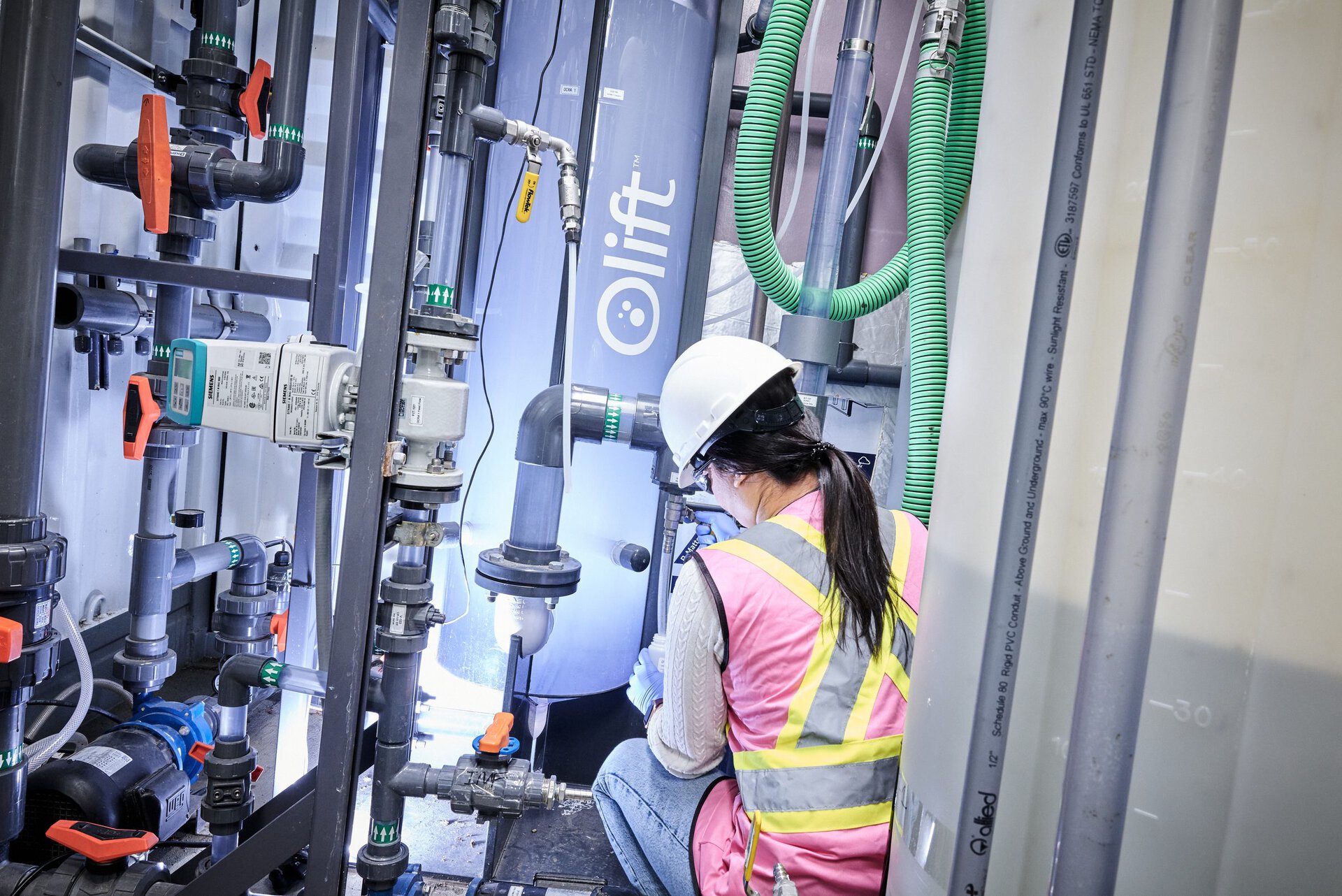
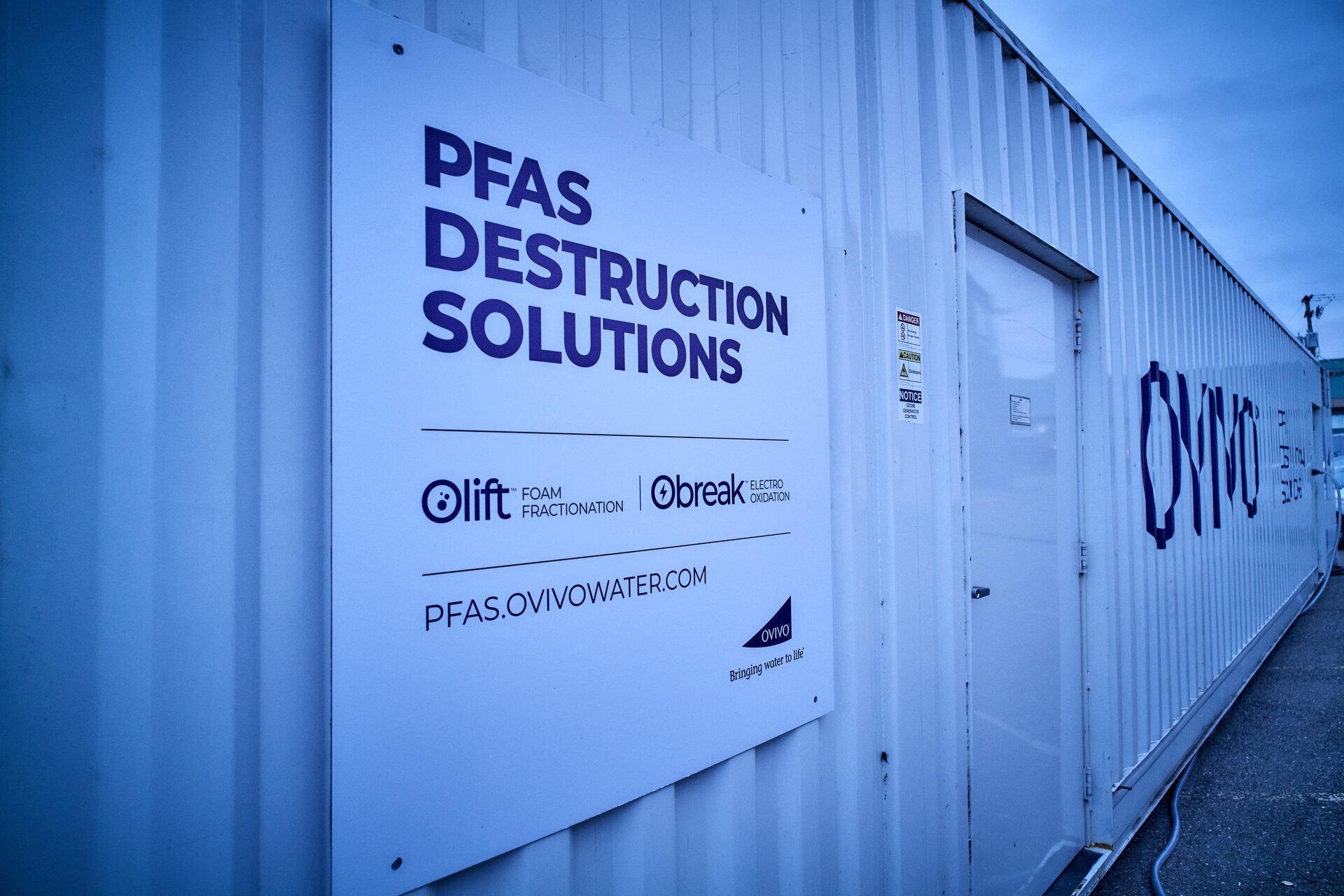
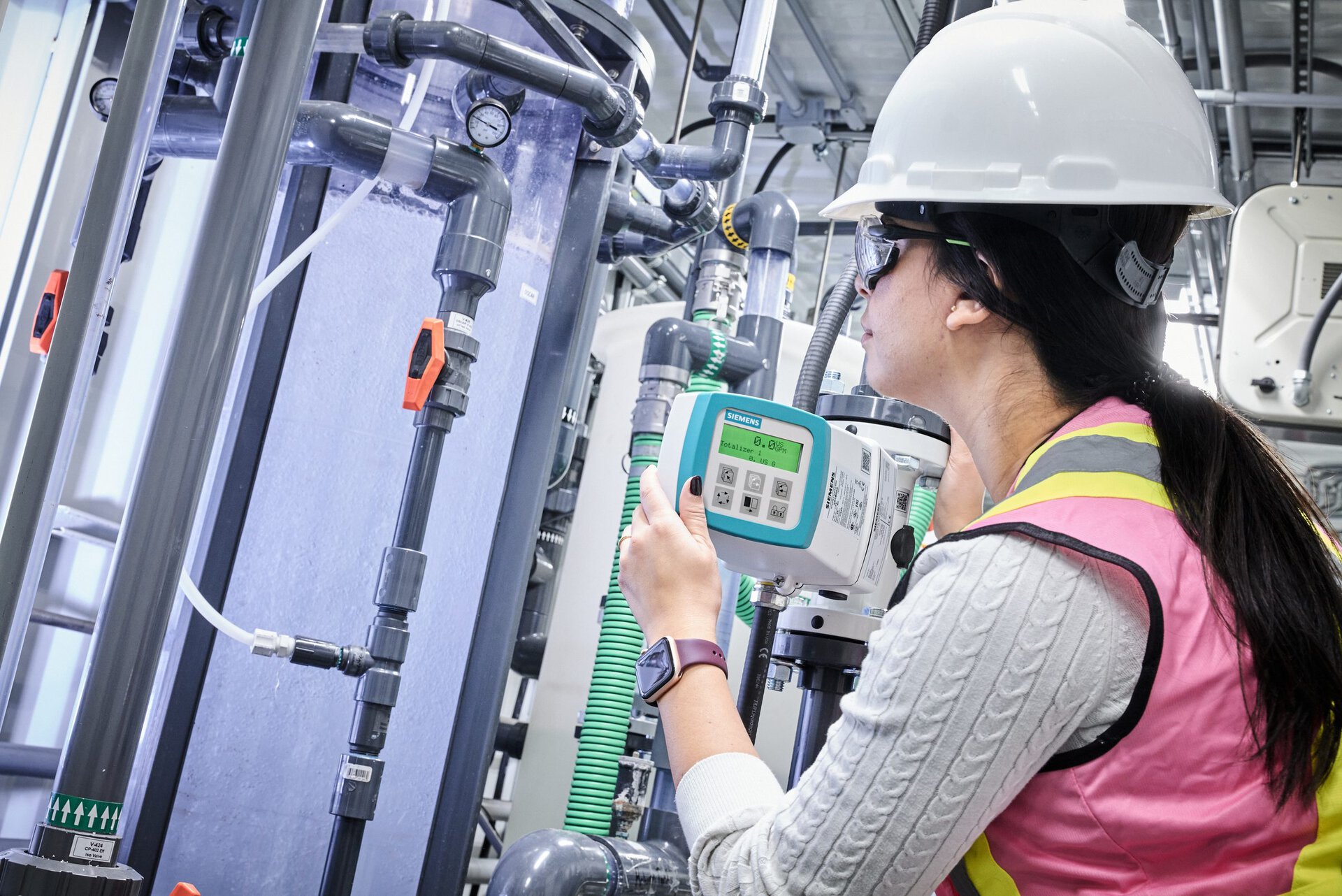
Concentrate onsite, destroy onsite, discharge clean
Landfill
Trucked-in leachate with PFAS
Wastewater treatment plant
Receives treated leachate
WHY THIS APPROACH
Built for leachate’s specific economics
Cuts transport & disposal cost
Concentrating PFAS into a small foamate volume before destruction means far less to haul or dispose of offsite.
Meets indirect discharge permits
Treating leachate before it mixes with domestic sewage helps utilities stay ahead of NJPDES-style permit limits.
No secondary waste stream
Closed-loop concentration and destruction means the PFAS doesn’t reappear as someone else’s liability.
Scales with your leachate volume
From a single hauled load to a dedicated pretreatment facility — the same closed-loop system scales up.
REGULATORY CONTEXT
Many utilities are proactively targeting PFAS reduction ahead of anticipated NJPDES-style permit requirements — not waiting for enforcement to catch up.
LEACHATE FLOW SCALE
Sized for small and large leachate flows
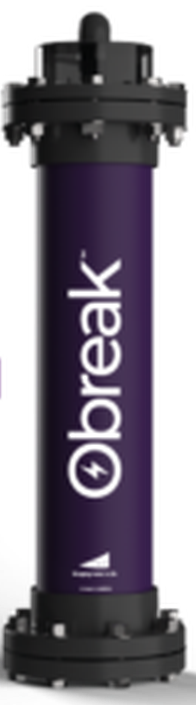
Small flows: Obreak® electro-oxidation destroys it onsite
At smaller leachate volumes, Obreak® electro-oxidation destroys PFAS where it is generated. There is no spent media to haul and no waste stream to manage afterward.
Large flows: Olift® foam fractionation concentrates, Obreak® electro-oxidation destroys
At higher volumes, Olift® foam fractionation pulls PFAS out of the leachate into a small concentrate, and Obreak® electro-oxidation destroys that concentrate onsite. Water-and-carbon systems move PFAS onto spent carbon, which still has to be disposed of.
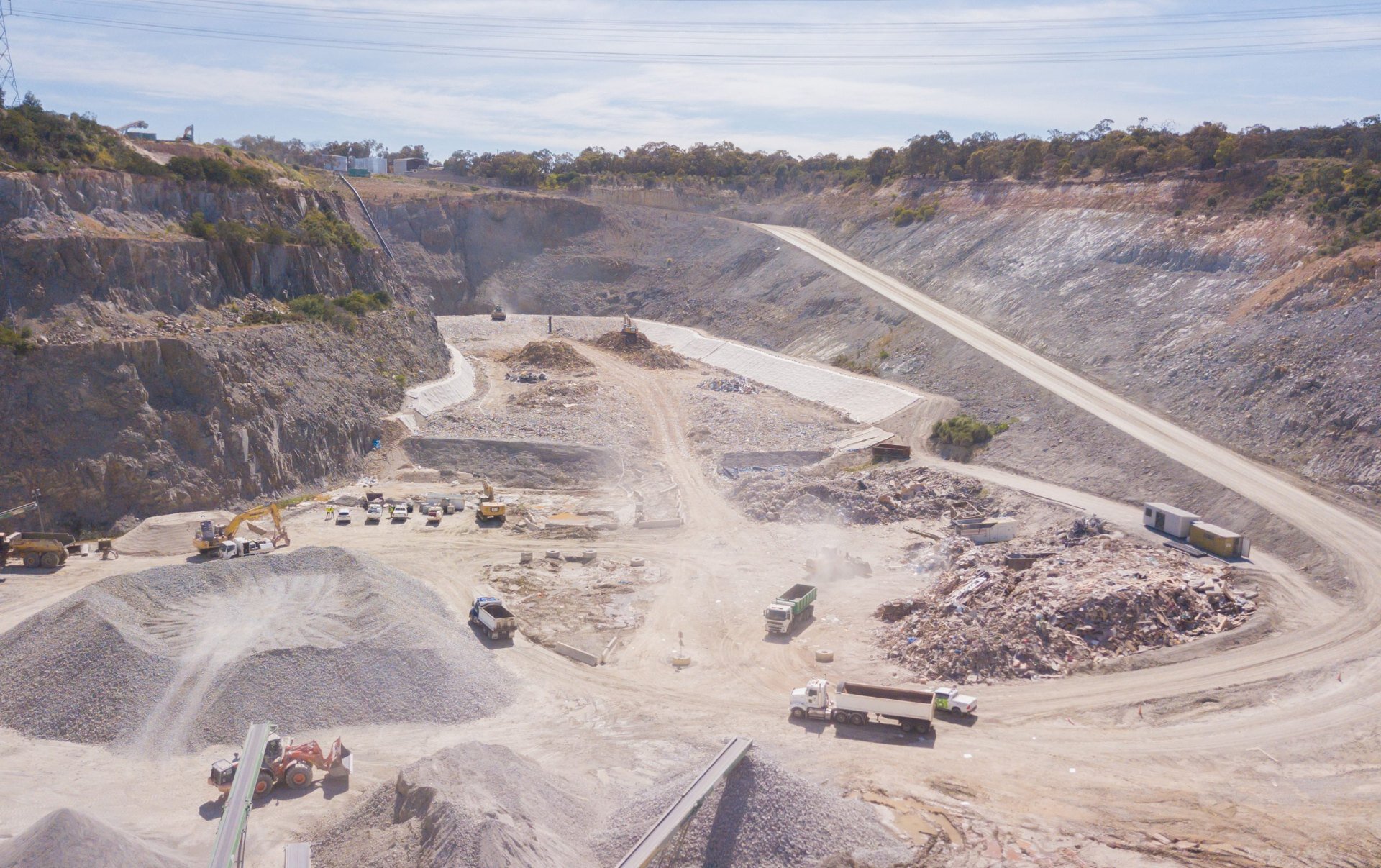
Photo: Environment Protection Authority Victoria, CC BY 4.0, via Wikimedia Commons
REAL RESULTS
Onsite PFAS removal for landfill leachate at PVSC
Passaic Valley Sewerage Commission — the largest wastewater facility in New Jersey — piloted E2METRIX®’s closed-loop Olift® foam fractionation + Obreak® electro-oxidation system on trucked-in landfill leachate ahead of anticipated NJPDES PFAS limits, eliminating the need for offsite disposal.
93%
TOTAL PFAS REMOVED
<0.016
kWh/GAL DESTRUCTION
-20% / -25%
CAPEX / OPEX with a tertiary stage vs. secondary only
FAQ
Landfill leachate PFAS questions
Why is landfill leachate a PFAS concern?
Sampling of influent waste streams routinely identifies landfill leachate as a PFAS source, often before a facility has a plan for it. Leachate hauled from multiple landfills also varies in composition, and is often sent straight to a wastewater plant that is not equipped to remove PFAS.
What PFAS reduction are utilities planning for?
Utilities are proactively targeting a minimum of 70% total detectable PFAS reduction (EPA Method 1633) ahead of anticipated permit limits.
How does E2METRIX treat landfill leachate?
The approach is concentrate onsite, destroy onsite, discharge clean. At small flows, Obreak® electro-oxidation destroys PFAS where it is generated. At large flows, Olift® foam fractionation concentrates the PFAS and Obreak® electro-oxidation destroys the concentrate onsite.
How is this different from water and carbon treatment?
Water-and-carbon systems move PFAS onto spent carbon, which still has to be hauled and disposed of. Destroying the PFAS onsite removes that waste stream and the liability that comes with offsite disposal.
What results has it achieved on leachate?
At the Passaic Valley Sewerage Commission (PVSC) in New Jersey, a closed-loop Olift® foam fractionation and Obreak® electro-oxidation system piloted on trucked-in landfill leachate removed 93% of total PFAS. The proposed full-scale capacity is 0.5 MGD. See the case studies for details.