

PFAS 101
What are PFAS?
What these chemicals are, where they come from, and why they are hard to remove.
THE SHORT ANSWER
PFAS are man-made chemicals built to last
Per- and polyfluoroalkyl substances (PFAS) are a large family of man-made chemicals used for decades in products that need to resist water, oil, heat and stains. Firefighting foams, nonstick cookware, food packaging, carpets, clothing and cosmetics all rely on them.
Every PFAS molecule contains carbon-fluorine bonds, among the strongest in chemistry. That is why these compounds do not biodegrade and are often called forever chemicals. They reach surface water and groundwater through industrial sites, airports, landfill leachate and municipal wastewater. There is evidence that long-term exposure to some PFAS at parts-per-trillion levels may lead to cancer, reproductive and immune system harm, and liver and thyroid disease.
4 ppt
Federal limit for PFOA and PFOS in drinking water
Zero
EPA health goal for both compounds
2029
Current compliance date, with a 2031 extension proposed
Aug 2026
D.C. Circuit upholds CERCLA designation
SOURCES
Where PFAS come from
PFAS enter the water cycle at the places that use, collect or treat them. Firefighting foam used at airports and fire training grounds is another common source. The same compounds show up at very different sites, which is why each industry needs its own treatment approach.
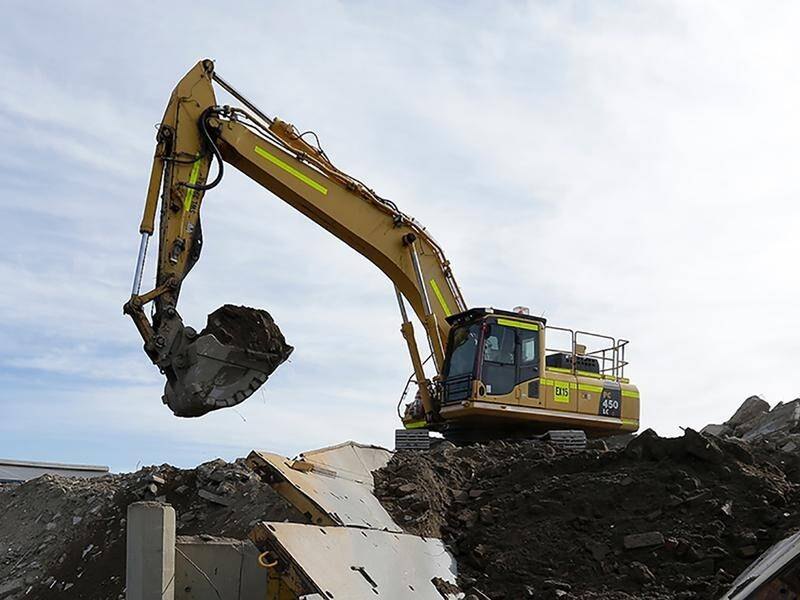
Landfills
Leachate carries PFAS from decades of discarded consumer and industrial products.
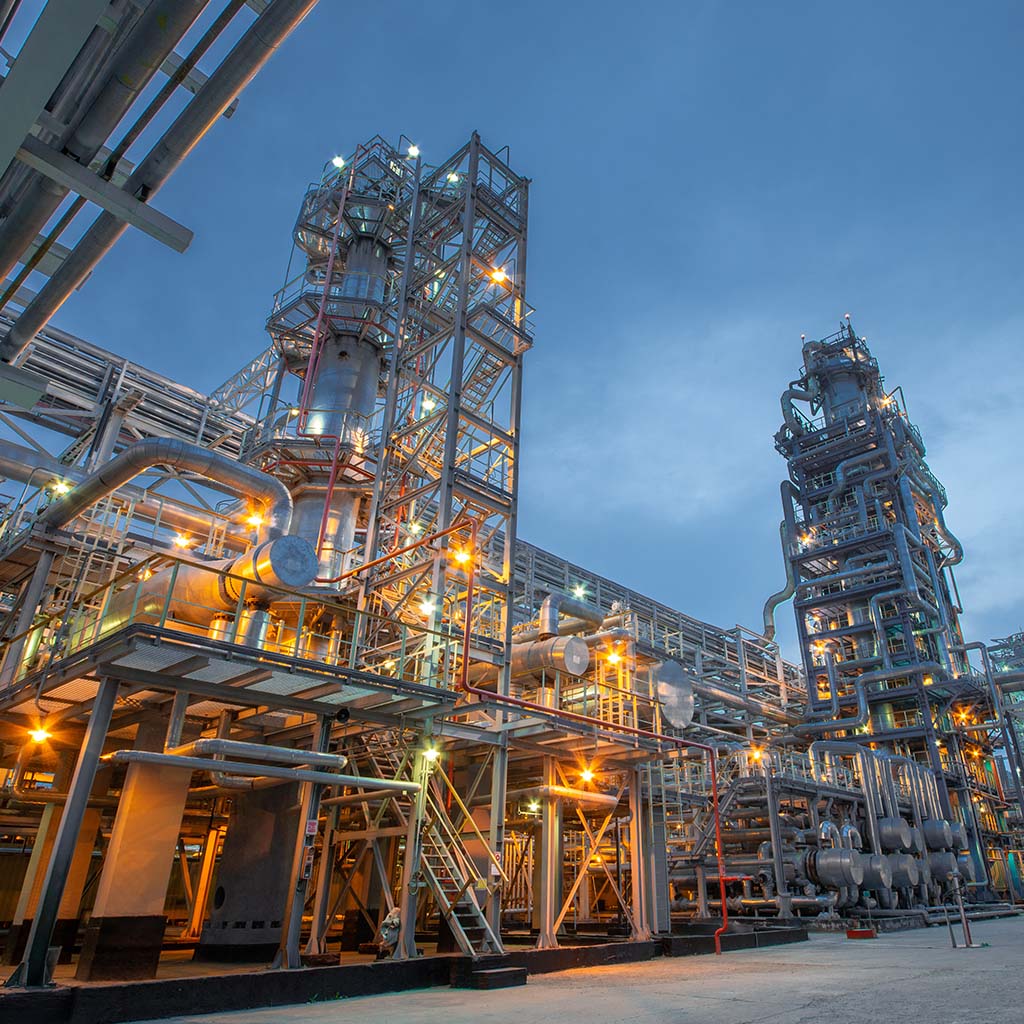
Industrial sites
Manufacturers that used PFAS in coatings, plating or processing can discharge them in wastewater.
Municipal wastewater
Treatment plants receive PFAS from homes, industry and trucked-in leachate.
THE CHALLENGE
Why PFAS are hard to remove
Strong bonds
Carbon-fluorine bonds resist heat, chemicals and biology, so ordinary treatment does not break PFAS down.
Tiny targets
The federal limit is 4 parts per trillion. Treatment has to work at concentrations that are very hard to measure and capture.
Waste that moves
Carbon, ion exchange and membranes capture PFAS but leave a concentrated residual that still has to be hauled, stored or destroyed.
REGULATION
Where the rules stand
| Rule | Where it stands, November 2026 |
|---|---|
| Drinking water limits for PFOA and PFOS | 4 ppt each, with a health goal of zero. In force under the April 2024 rule. |
| Compliance date | April 26, 2029. In May 2026 EPA proposed letting eligible systems extend to April 26, 2031. Proposed, not final. |
| PFHxS, PFNA, GenX and hazard index mixtures | EPA has proposed rescinding these limits and says it may regulate them again through a different process. Proposed, not final. |
| CERCLA hazardous substance status for PFOA and PFOS | The D.C. Circuit upheld the designation on August 18, 2026. EPA says utilities and landfills that only receive PFAS are not an enforcement priority, but private cost recovery claims remain possible. |
This summary is not legal advice. Confirm requirements for your site with counsel and your state agency. Sources: Federal Register, May 20, 2026, Ballard Spahr, June 2026, Water Online, August 2026.
OUR APPROACH
Remove it, then destroy it onsite
E2METRIX® pairs two technologies. Olift® foam fractionation pulls PFAS out of the water stream and concentrates them into a small volume of foamate. Obreak® electro-oxidation then destroys that concentrate onsite, so there is nothing to truck away.
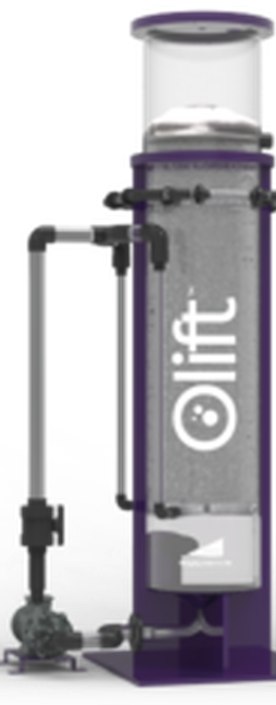
In a landfill leachate pilot, Olift® foam fractionation reduced PFOA from 3,600 ppt to 11 ppt, a 99.7% reduction.
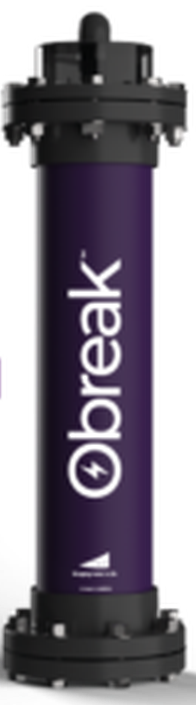
In a pilot at PVSC, Obreak® electro-oxidation destroyed 94 to 96% of PFAS at under 0.016 kWh per gallon.
QUICK ANSWERS
Common questions
Why are PFAS called forever chemicals?
Their carbon-fluorine bonds are extremely stable, so PFAS do not break down in the environment or in conventional water treatment and can persist for decades.
What is the federal limit for PFAS in drinking water?
The limit for both PFOA and PFOS is 4 parts per trillion, with a health goal of zero. Systems must comply by April 26, 2029 unless a proposed extension to 2031 is finalized and they qualify.
Can PFAS be destroyed instead of just captured?
Yes. Destruction technologies such as electro-oxidation break the carbon-fluorine bonds. E2METRIX uses Obreak® electro-oxidation to destroy concentrated PFAS onsite after Olift® foam fractionation removes and concentrates it.
Are landfills and wastewater plants liable for PFAS?
PFOA and PFOS are CERCLA hazardous substances. EPA has said it does not plan to prioritize enforcement against passive receivers such as utilities and landfills, but private claims are still possible. Ask your counsel about your site.
Talk to a PFAS specialist
Tell us about your site and we will help you map a removal and destruction plan.